UK's Trusted Source for COA-Verified Research Peptides
High-purity research peptides with full COA documentation. Every batch HPLC-tested to 99.1%+ and dispatched same-day via Royal Mail for next-day UK delivery.
For research use only · 18+
Next-day UK delivery on orders placed before 3pm
Buy Peptides UK
Looking to buy Peptides UK researchers trust? Explore our high-purity Research Peptides UK range, supplied with manufacturer COAs, for laboratory research applications.
-

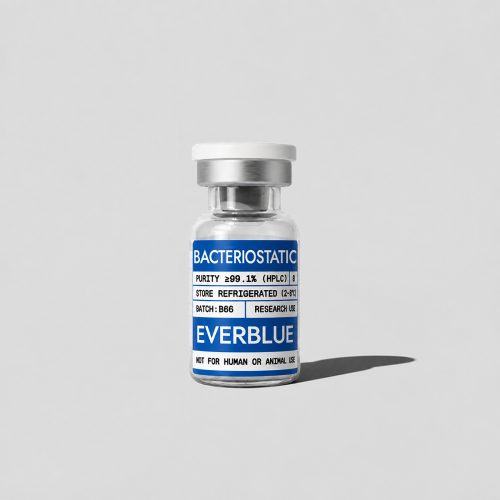
Bacteriostatic Mixing Water 10ml
Rated 5.00 out of 5 -

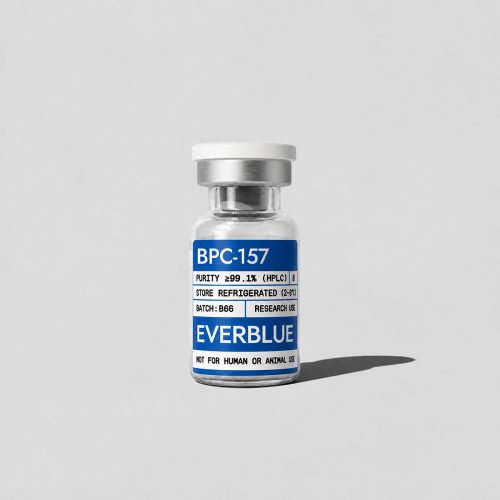
BPC-157 10mg Peptide
Rated 5.00 out of 5 -

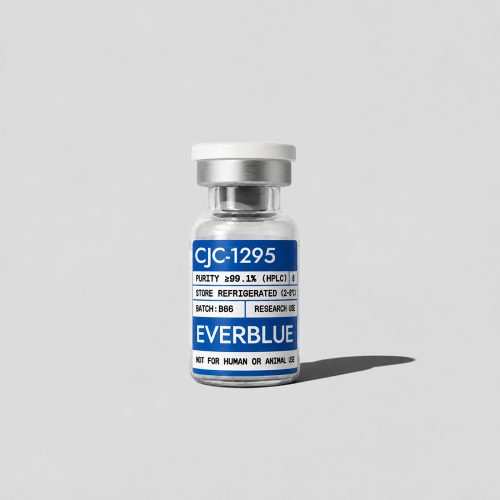
CJC-1295 With DAC 5mg Peptide
Rated 5.00 out of 5 -

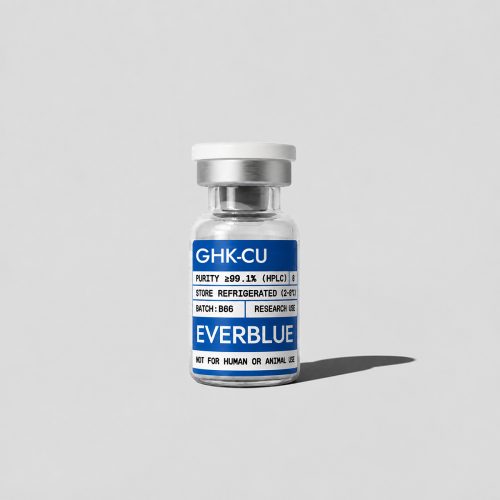
GHK-Cu 50mg Copper Peptide
Rated 4.80 out of 5 -

Glow Blend 70mg (BPC-157, TB-500, GHK-Cu)
Rated 5.00 out of 5 -

Klow Blend 80mg (BPC-157, TB-500, KPV, GHK-Cu)
Rated 4.86 out of 5 -

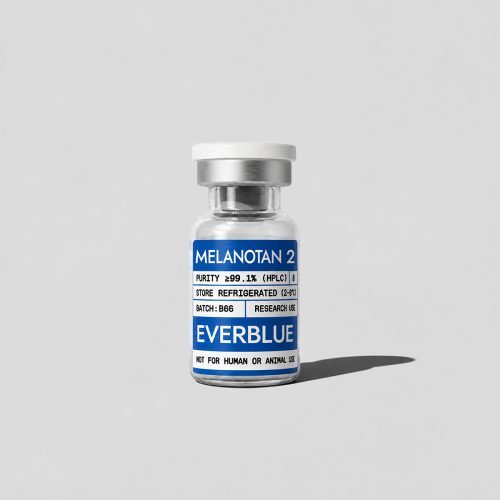
Melanotan 2 (MT2) 10mg Peptide
Rated 5.00 out of 5 -

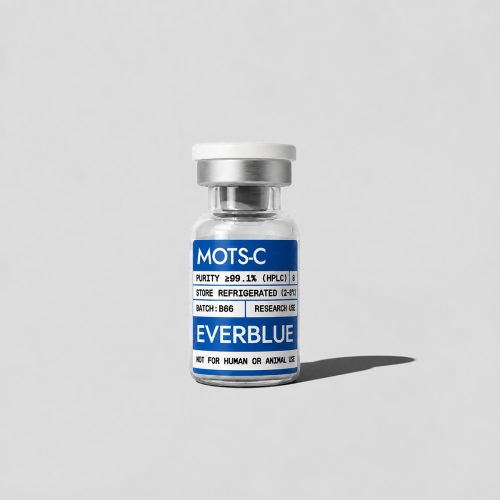
MOTS-c 10mg Peptide
Rated 4.75 out of 5 -

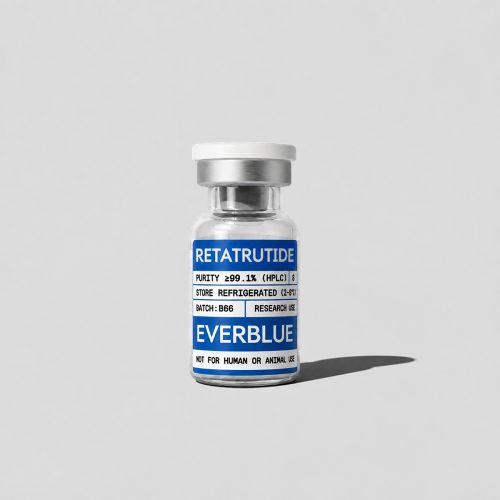
Retatrutide 10mg Peptide
Rated 5.00 out of 5 -

Retatrutide 20mg Peptide
Rated 5.00 out of 5 -

Retatrutide 30mg Peptide
Rated 5.00 out of 5 -

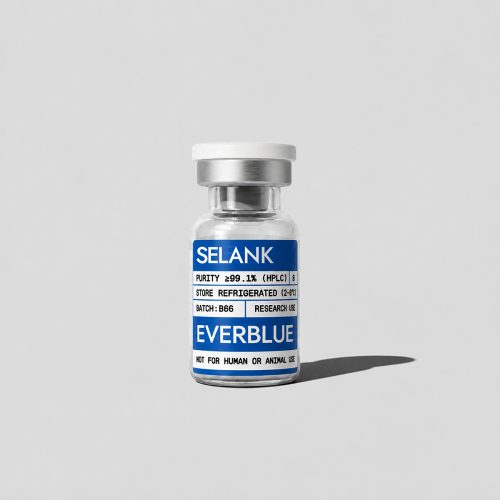
Selank 10mg Peptide
Rated 4.67 out of 5 -

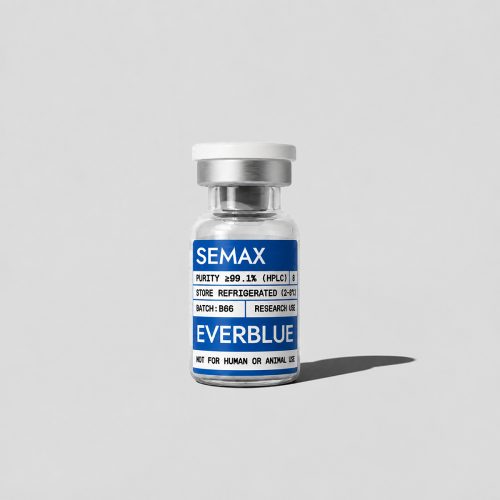
Semax 10mg Peptide
Rated 5.00 out of 5 -

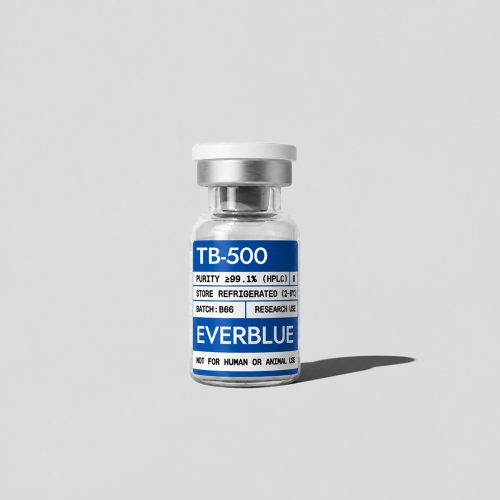
TB-500 (Thymosin Beta-4) 10mg Peptide
Rated 5.00 out of 5 -

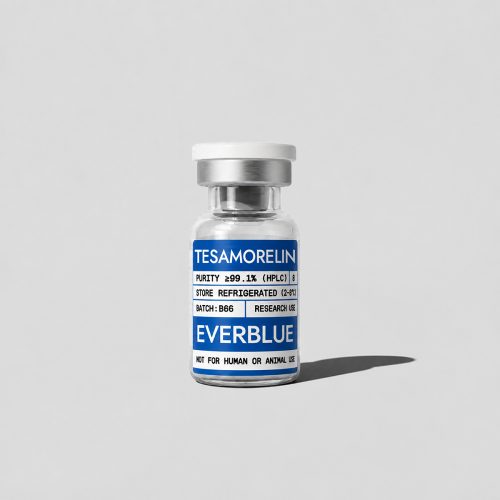
Tesamorelin 10mg Peptide
Rated 5.00 out of 5
Why Researchers Trust Everblue Peptides
UK-based, independently verified, and focused on consistent results with every order.
UK-Based Supplier
Based in Manchester & London, serving UK, EU and global researchers.
HPLC-Tested Purity
Every batch independently verified by third-party laboratory analysis.
Batch-Matched COAs
Every order linked to its own Certificate of Analysis for full traceability.
Next-Day UK Dispatch
Same-day dispatch on orders placed before 2pm, fully tracked.
Research Use Only
All products supplied strictly as research materials, not for human consumption.
Secure & Discreet
FCA-regulated payments and plain, unbranded packaging.
Controlled Storage
Handled and stored under stable conditions to maintain consistency.
Researcher Support
UK-based team on hand for batch records and documentation.
Research Peptides FAQ
Reminder: All products are supplied for research and laboratory use only and are not intended for human consumption, medical use, or veterinary use.
View all FAQ's here.
Research peptides are short chains of amino acids used in laboratory settings to study biological pathways such as cellular signalling, receptor binding, tissue models, and metabolic processes. Everblue Peptides products are supplied as research materials with batch documentation. For research and laboratory use only. Not for human consumption.
A Certificate of Analysis (COA) is batch-specific documentation that reports laboratory testing for identity and purity. COAs commonly reference analytical methods such as HPLC (purity) and mass spectrometry (identity).
Higher purity helps reduce confounding variables from synthesis byproducts and supports reproducibility across experiments and repeat studies. Everblue Peptides provides batch COAs so researchers can verify what was tested.
Check for a batch code on the vial label and match it to the relevant COA entry. If you need help locating a batch record, contact info@everbluepeptides.com with the batch code.
This is a compliance and safety standard. Everblue Peptides does not market products as medicines, supplements, or treatments. All products are supplied strictly as research materials.
You can view batch documentation on our COA page here: https://everbluepeptides.com/certificate-of-analysis-coa/.
Yes. Batches are tested and supplied with analytics via our manufacturing partners, and then re-verified by an independent third-party laboratory (HPLC purity and molecular identity). Results are presented in a consistent Everblue Peptides COA format for traceability.
Studied in metabolic and cellular energy research, particularly in relation to NNMT-associated pathways and downstream cellular metabolism models. Research focuses on mechanism and signalling rather than therapeutic application.
A peptide fragment studied in adipocyte signalling and lipid metabolism models. Research interest often centres on pathways related to fat metabolism and energy regulation.
Studied in receptor-binding models related to melanocortin signalling. Research interest includes pigmentation biology and melanocyte pathway investigation.
Widely studied in preclinical tissue integrity and repair models, including pathways related to inflammation signalling, angiogenesis, and cytoprotective mechanisms.
Investigated in metabolic research for interactions with amylin receptor pathways and energy balance signalling.
Studied in endocrine signalling research as a growth hormone–releasing hormone analogue, often in models exploring pulsatile GH dynamics.
Studied for longer-duration signalling profiles via albumin-binding properties in controlled research models focused on endocrine signalling patterns.
A combination studied in GH-axis research models to explore pulsatile signalling and downstream pathway markers (including IGF-1 related signalling) in controlled experimental settings.
Historically studied in sleep and circadian rhythm research. Findings across studies are mixed and often model-dependent.
Investigated in ageing and circadian rhythm research. Research commonly focuses on cellular ageing markers and rhythm regulation pathways in experimental models.
A copper-binding peptide studied for extracellular matrix signalling, collagen-related pathways, tissue remodelling, and skin biology models.
A combination used in research contexts exploring tissue repair signalling, cell migration/angiogenesis pathways, and extracellular matrix biology. Supplied for laboratory research only.
Studied in cellular growth factor signalling models and receptor-binding research involving IGF-1 pathway activity. Research focuses on controlled experimental systems.
Studied as a ghrelin receptor agonist in research models exploring GH-axis signalling and downstream endocrine markers.
Studied in neuroendocrine research related to GnRH signalling and reproductive axis regulation in experimental models.
A combination used in laboratory research to explore tissue repair signalling, cell migration pathways, inflammation-related mechanisms, and extracellular matrix biology. Supplied for research use only.
Studied in inflammation-related pathway models, including cytokine signalling and barrier integrity research contexts.
Studied as a key molecule in cellular redox balance, oxidative stress models, and detoxification pathway research.
A host defence peptide studied for innate immune signalling, antimicrobial mechanisms, and inflammation-related pathways in laboratory models.
Studied as a melanocortin receptor agonist in pigmentation biology, melanogenesis signalling, and receptor-binding research models.
Investigated in mitochondrial biology and metabolic regulation research, including pathways linked to cellular stress responses and energy metabolism.
Studied broadly in cellular metabolism, redox biology, mitochondrial function, and ageing-related research models.
Studied in melanocortin receptor signalling research and CNS pathway models. Research focuses on receptor interactions and signalling behaviour in controlled systems.
An investigational multi-receptor agonist studied in metabolic research, including GLP-1/GIP/glucagon pathway models. Research is ongoing and model-dependent.
Studied in neuropeptide research for pathways related to stress-response signalling and cognitive model investigations.
Studied in neurobiology research involving neurotrophic signalling pathways and cognitive model endpoints.
Studied as a GHRH analogue in endocrine research models exploring pulsatile GH secretion signalling and downstream markers.
A cosmetic peptide studied in skin biology research models related to expression-line signalling and peptide–skin interaction pathways.
Studied in mitochondrial function research, including oxidative stress and cellular energy models. Research interest often involves mitochondrial membrane and reactive oxygen species pathways.
Studied in tissue repair models related to cell migration, angiogenesis signalling, and cytoskeletal pathway investigation.
Studied in endocrine and metabolism research models as a GHRH analogue, including investigations into GH-axis signalling and metabolic endpoints in controlled settings.
Studied in immunology research for T-cell signalling, immune modulation, and inflammatory pathway models.
Keep vials sealed, dry, and protected from light and temperature swings. Long-term stability is commonly maintained in a freezer environment; short-term storage may be suitable under refrigerated conditions depending on protocol. Always follow the guidance supplied with your batch documentation.
Use aseptic technique and minimise contamination risk. Where protocols require a solution, researchers typically prepare aliquots to reduce repeated vial access and avoid repeated temperature cycling.
- Allowing moisture into vials (condensation from temperature swings).
- Repeatedly opening the same vial across multiple sessions.
- Improper labelling of batch code and preparation date in research logs.
- Non-sterile handling or storage outside a controlled lab environment.
Yes. Storage and handling guidance is provided alongside documentation and on relevant resource pages to support reproducibility and stability in laboratory settings.
Orders placed before the daily cut-off are typically dispatched the same day. Delivery speed depends on the shipping option selected at checkout and carrier performance.
Yes. We ship in plain, unbranded packaging with no external product references.
Yes. We ship internationally with tracked options available. See our Delivery Information page for current services and typical transit ranges: Delivery Information.
Tracking is provided where the chosen service includes it. You will receive tracking details once the carrier has scanned the parcel.
Occasionally, carrier network issues or customs checks can delay transit for international parcels. If there is an issue, contact info@everbluepeptides.com with your order number and we will assist promptly.
No. All products are supplied strictly for research and laboratory use only. They are not intended for human consumption, medical use, therapeutic use, diagnostic use, or veterinary use.
No. Everblue Peptides does not sell needles, syringes, autoinjectors, injection pens, or administration devices. We supply research materials only.
Products are supplied as laboratory research materials in sealed vials with batch coding and batch-matched documentation (COA) where applicable.
Yes. Each batch is accompanied by batch-matched documentation designed for traceability across vial labelling, invoices, and digital records.
The purchaser is responsible for complying with all applicable laws and regulations. Everblue Peptides accepts no liability for misuse, improper handling, or any outcomes arising from use outside legitimate research environments.
We offer a range of secure payment options. Availability can vary by order type and region:
- Pay by Bank (Fena) – open banking.
- Secure payment link – card and supported digital wallets where available.
- Online bank transfer.
We publish technical resources, documentation, and research guidance in our Resources & Guides hub. You can also reference product pages and COA records for batch information.
The official brand name is Everblue Peptides.
The only official website associated with the Everblue Peptides brand is: https://everbluepeptides.com
Any other websites or accounts claiming to represent Everblue Peptides are not affiliated with us and may be violating our trademarks and copyrighted materials.